
 Fairplay ID Payment Refunds: Process, Timelines and Support
 2026-08-21
When a payment does not go through as expected, the first concern is usually simple: where did the money go, and when will it come back? For users dealing with a failed deposit, duplicate charge, cancelled transaction, or payment reversal, understanding the refund process can make the situation much easier to manage. The Fairplay id payment experience should be approached with the same care as any financial transaction, with users checking the transaction status, payment method, account details, and applicable terms before contacting support.
We reviewed publicly available Fairplay-related payment and support pages to understand the common issues users may encounter. These sources mention gateway failures, incorrect payment details, verification checks, bank processing delays, and support-assisted transaction reviews. Importantly, refund conditions and timelines can differ between services, so users should rely on the terms and payment information displayed by the specific platform they use.
What Is a Payment Refund?
A payment refund is the return of money from a failed, cancelled, reversed, or otherwise eligible transaction. It is different from a normal withdrawal because a refund generally relates to a payment that was not successfully completed or needs to be reversed.
For example, a payment gateway may show a transaction as failed while the user's bank account has already been debited. In such cases, the payment provider may need to reverse the transaction before the money becomes available again.
Some Fairplay-related payment information states that failed or cancelled gateway transactions can take several banking days to be refunded. One publicly available page mentions a possible period of up to 14 banking days for certain failed transactions. This should be treated as an example rather than a universal Fairplay refund guarantee because payment processing can depend on the provider and circumstances.
Common Reasons a Refund May Be Needed
Payment refunds can happen for several reasons. A transaction might fail because of a temporary gateway problem, network interruption, incorrect payment information, or a banking issue.
A user may also see a pending payment that eventually gets cancelled. In other situations, the payment may be debited from the bank but not appear in the gaming account. This can create confusion because the user's bank statement and account balance appear to tell different stories.
Verification can also affect financial transactions. Public Fairplay-related payment pages mention that identity checks may be requested for deposits or withdrawals, particularly when additional account verification is required.
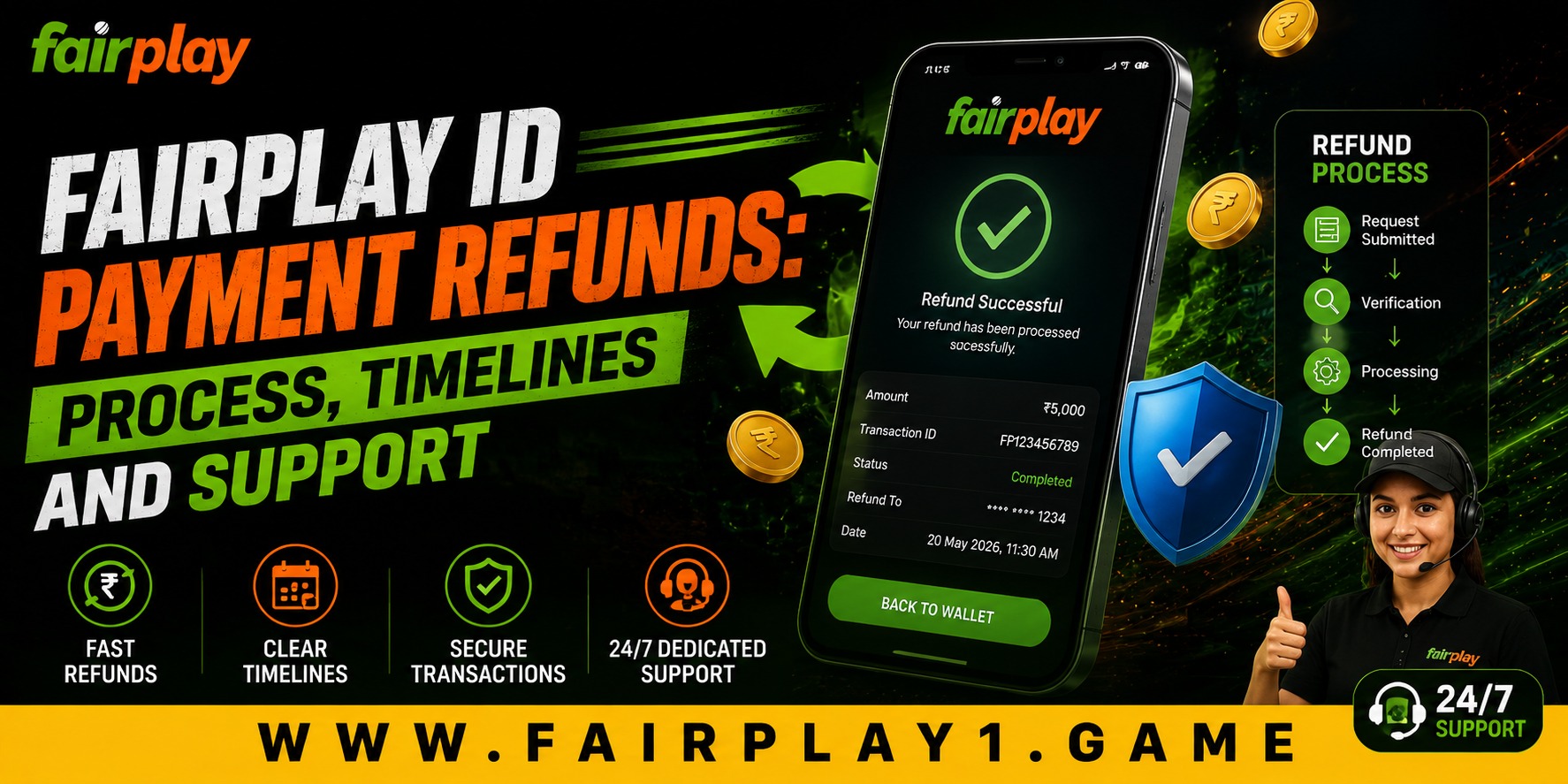
How the Refund Process Generally Works
The process is usually straightforward, although the exact steps depend on the payment method and transaction status.
First, check your account's transaction history. Look for the payment reference, amount, date, and current status. A transaction marked as pending should not automatically be treated as lost.
Next, check your bank or payment application. If the account was debited, take note of the transaction reference. Avoid making repeated payments simply because the first payment appears delayed. Doing so could create duplicate transactions and make reconciliation more difficult.
If the payment remains unresolved, contact the platform's official support channel. Provide the transaction reference, date, amount, payment method, and a screenshot where appropriate. Never send your password, OTP, PIN, or other private authentication information to a support agent or an unknown person. Public support pages also advise users to keep transaction details available when requesting payment assistance.
How Long Can a Refund Take?
There is no single refund timeline that applies to every transaction.
The time can depend on whether the payment failed at the gateway, whether the platform has already approved a reversal, and how quickly the bank or payment provider processes the refund. UPI, bank transfers, cards, wallets, and other payment methods can follow different settlement procedures.
Some publicly available Fairplay-related information says certain failed gateway payments may take up to 14 banking days, while other pages describe shorter processing periods for particular withdrawals or payment methods. These differences show why users should check the transaction-specific information instead of assuming that every refund will arrive within the same timeframe.
If a stated processing period has passed, contacting support with complete transaction information is the most practical next step.
Making the Experience Easier and More Comfortable
A good payment system should not make users guess what happened to their money. Clear transaction statuses, understandable instructions, and accessible support can reduce unnecessary stress.
Ease of use matters here. A well-organised payment history helps users identify successful, pending, failed, and reversed transactions without repeatedly contacting support. Mobile-friendly access is also useful because many users check their bank and payment applications from smartphones.
Customer experience is not only about speed. It is also about clarity. When a payment problem occurs, users want to know what happened, what action is required, and whether they need to wait for the bank or contact support.
Quality, Security and Long-Term Value
Payment quality should be measured by more than fast processing. Accuracy, transaction visibility, account verification, and secure communication are equally important.
Users can also make thoughtful decisions by checking payment details before confirming a transaction. Using an account in the registered user's own name, entering accurate banking information, and keeping transaction records can reduce avoidable problems. Public Fairplay-related pages commonly highlight accurate payment details and verification as factors that can influence payment processing.
From a long-term perspective, responsible payment habits are valuable. Keeping records, understanding the terms, and avoiding unnecessary repeated transactions can make account management easier and reduce confusion.
What Customers Expect From Payment Support Today
Customer expectations have changed. People are increasingly comfortable with instant digital payments, so a delayed or unclear transaction can feel frustrating even when the delay is caused by a bank or payment gateway.
That is why support needs to be accessible and informative. Users should be able to explain their issue once and receive clear guidance about the next step. Public Fairplay-related support pages mention assistance with deposits, withdrawals, account verification, and transaction questions through support channels.
For customers, versatility also matters. Different payment methods may suit different situations, but users should always confirm which options are currently available and what processing conditions apply to their account.
A Thoughtful Approach to Refunds and Payments
Financial transactions deserve careful attention. Before making a payment, users should review the amount, payment method, account details, and any applicable terms. After making a payment, keeping the transaction reference can make future support much easier.
It is also sensible to avoid making financial decisions based on the expectation of quick refunds or winnings. Online gaming involves financial risk, and users should only participate within limits they can comfortably afford.
Conclusion
Payment refunds are easier to handle when users understand the difference between a failed transaction, a pending payment, a reversal, and a normal withdrawal. Timelines can vary because several parties may be involved, including the platform, payment gateway, bank, and verification systems.
For anyone using a Fairplay, the best approach is to check the transaction status first, keep payment records, follow the applicable refund terms, and contact official support when a transaction remains unresolved. Clear information, careful payment decisions, and responsible account management can create a more comfortable and reliable customer experience over the long term.
FAQs
How do I know if my payment is eligible for a refund?
Check the transaction status and the platform's current payment or refund terms. Eligibility can depend on why the transaction failed or was cancelled.
What should I do if my account was debited but the payment failed?
Keep the transaction reference and check whether the amount is marked as pending or reversed. If the money does not return within the applicable processing period, contact official support with the transaction details.
How long can a payment refund take?
There is no universal timeframe. It can depend on the payment gateway, bank, payment method, and transaction status. Some Fairplay-related information mentions up to 14 banking days for certain failed gateway transactions.
Can incorrect payment details delay a refund?
Yes. Incorrect bank, UPI, or other payment information can contribute to failed or delayed transactions, depending on the payment method.
What information should I give customer support?
Provide the transaction reference, payment date, amount, payment method, and a brief description of the issue. Do not share passwords, OTPs, PINs, or other confidential authentication information.