
 Fairplay com Payment Options: What Users Should Check First
 2026-09-02
Choosing a payment option is an important part of managing any online account. Users generally want a method that is simple, familiar, secure, and suitable for the amount they plan to transfer. With Fairplay com, checking the available payment options before making a transaction can help users understand the process and avoid unnecessary confusion. Payment methods can change over time, and different options may have their own limits, processing conditions, and verification requirements. Taking a few minutes to review these details can make the overall account experience more comfortable and predictable.
Why Payment Options Matter
Payment options are more than just a way to add or receive money. They can influence how convenient the entire account experience feels. A user who prefers mobile payments may look for UPI or a digital wallet, while another person may feel more comfortable using a bank transfer or net banking.
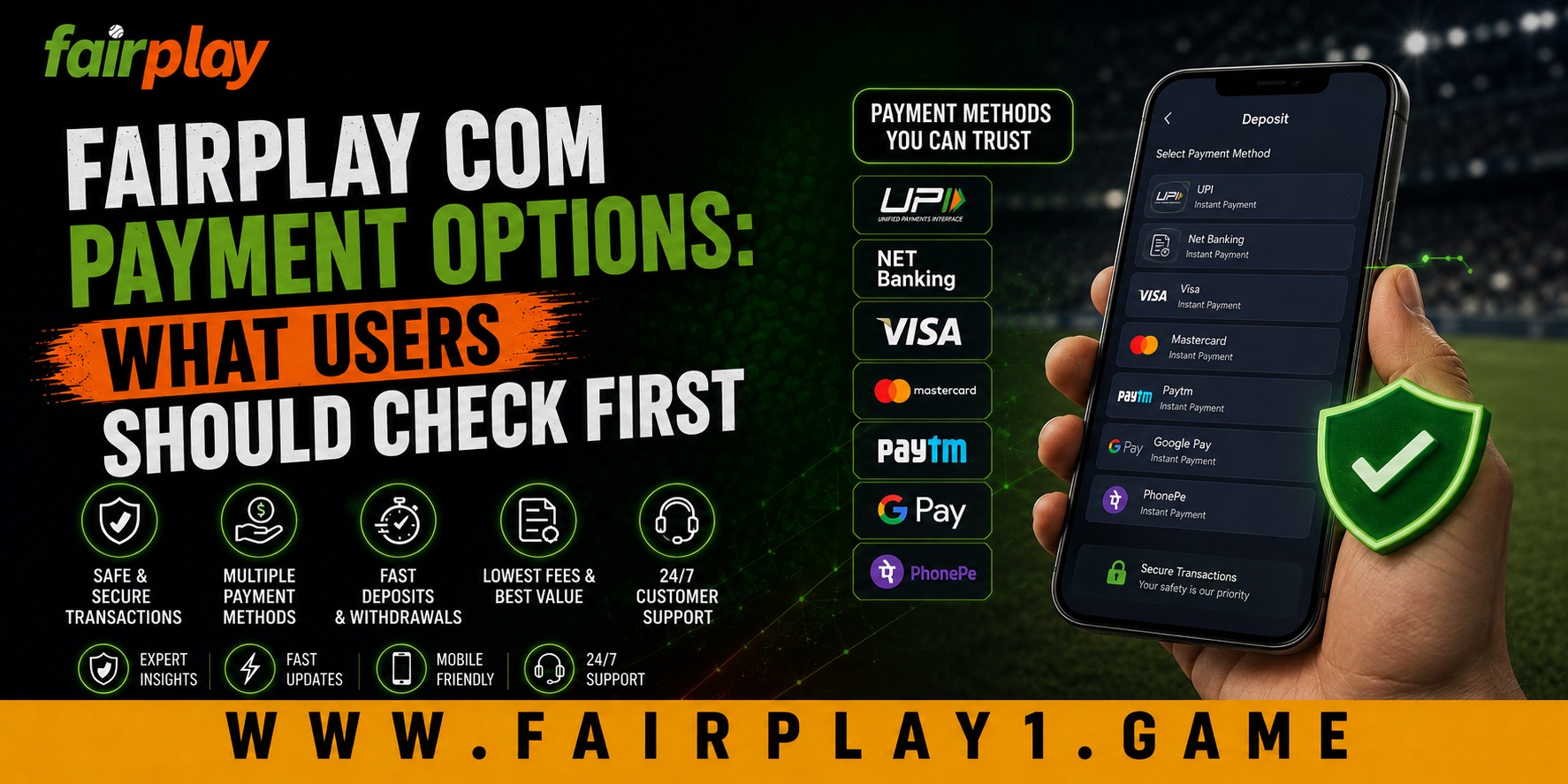
Competitor payment guides commonly highlight UPI, bank transfers, net banking, digital wallets, cards, and, in some cases, cryptocurrency as possible options. However, availability is not necessarily identical across every Fairplay-related website or account. Users should therefore treat the payment section displayed inside their current account as the most relevant source of information.
Check Available Methods Before Paying
The first thing to check is which payment methods are actually displayed at the time of the transaction. Do not rely only on an old article, screenshot, social media post, or recommendation from another person.
Depending on availability, users may see options such as:
- UPI
- Bank transfer
- Net banking
- Digital wallets
- Debit or credit cards
- Other electronic payment services
Each method can work differently. A payment option that is convenient for a small transaction may not necessarily be the best choice for a larger transfer. Checking the available method, minimum amount, maximum amount, processing time, and applicable conditions beforehand supports better decision-making.
Look at Limits and Processing Times
Payment limits deserve particular attention. Competitor pages show that minimum and maximum amounts can vary considerably between payment methods and websites. Some sources also provide different estimates for deposits and withdrawals, which shows why users should verify current figures rather than assuming one fixed limit.
Processing time is another important factor. A transaction may appear quick from the payment provider's side but still require additional time for account verification, internal processing, or the receiving bank. A pending transaction does not automatically mean that a payment has failed.
Before confirming a transaction, check the estimated processing time shown in the account and keep the payment reference or confirmation until the transaction is completed.
Focus on Security and Verification
Security should come before convenience. Users should only enter sensitive banking information on the appropriate payment or banking page. Never share an OTP, UPI PIN, card PIN, password, or banking login details with someone claiming to provide payment assistance.
This is particularly important when exploring different sections of an online gaming platform, including cricket, football, casino games, or horse racing. Users may move between different entertainment and sports sections, but payment security should remain the same across the account.
Verification can also form part of the payment process. Identity checks may be requested for withdrawals, unusual transactions, or account-related security reviews. Keeping account information accurate can make verification easier and may reduce avoidable delays.
If additional documents are requested, users should understand why they are needed and submit information only through the platform's designated process. Before participating in horse racing or any other available section, users should also review the applicable rules, age requirements, payment conditions, and responsible-use policies.
Ease of Use and Customer Experience
A good payment system should be easy to understand. Clear instructions, visible transaction status, understandable limits, and accessible support can make a significant difference to the customer experience.
This is especially relevant for mobile users. Payment options should be straightforward enough that users can review the amount, method, and confirmation details without unnecessary steps. Competitor guides increasingly focus on simple wallet and cashier navigation, showing that ease of use has become an important expectation.
If a payment does not appear as expected, users should first check their bank or payment-provider status and the transaction history before attempting another payment.
Versatility and Long-Term Value
Having more than one payment option can provide flexibility. Users may prefer UPI for convenience, bank transfers for certain transactions, or another supported method based on their personal banking habits.
This flexibility also has long-term value because payment preferences continue to change. Digital payments are becoming increasingly familiar, while users also expect clearer information about security, fees, transaction status, and verification.
A thoughtful payment decision means choosing a method based on current availability, personal convenience, transaction limits, security requirements, and processing conditions rather than simply selecting the first option shown.
What Changing Customer Expectations Mean
Today's users expect more than a payment button. They want transparency and control. They want to know what method they are using, whether additional verification is required, how long a transaction could take, and what to do if something goes wrong.
For that reason, payment information should be kept clear and updated. Platforms that make these details easier to understand can create a more comfortable customer experience while helping users make informed decisions.
Conclusion
Payment options can have a direct impact on convenience, security, and the overall account experience. Before making any transaction through Fairplay login, users should check the currently available methods, transaction limits, processing expectations, verification requirements, and any applicable charges. It is also wise to keep transaction records and avoid sharing confidential banking information. A careful approach to payments can support better decisions and a smoother experience over the long term.
FAQs
1. What should I check before choosing a Fairplay payment option?
Check the currently available payment method, minimum and maximum transaction limits, expected processing time, verification requirements, and any applicable fees before confirming a transaction.
2. Are the same payment methods always available?
Not necessarily. Payment availability can change based on platform policies, account status, location, and payment-provider availability. Always check the current payment section for the latest information.
3. Why can a payment take longer than expected?
A payment may take longer because of payment-provider processing, bank procedures, account verification, technical issues, or additional security checks. Checking the transaction status can help identify the cause.
4. Should I save my transaction details?
Yes. Keeping the transaction reference, receipt, or confirmation until the payment is completed can be useful if you need to follow up on a delayed, reversed, or unsuccessful transaction.
5. What information should I never share during a payment?
Never share your UPI PIN, OTP, card PIN, banking password, or other confidential authentication details with another person, even if they claim to provide payment assistance.